Making peace with our hurting selves
Following is a guest post from Elizabeth Peirce, who experienced a concussion and has written a book on her recovery process. That book can be found here: Lost and Found: Recovering Your Spirit After A Concussion.
Making peace with our hurting selves: acceptance as a healing tool
By Elizabeth Peirce
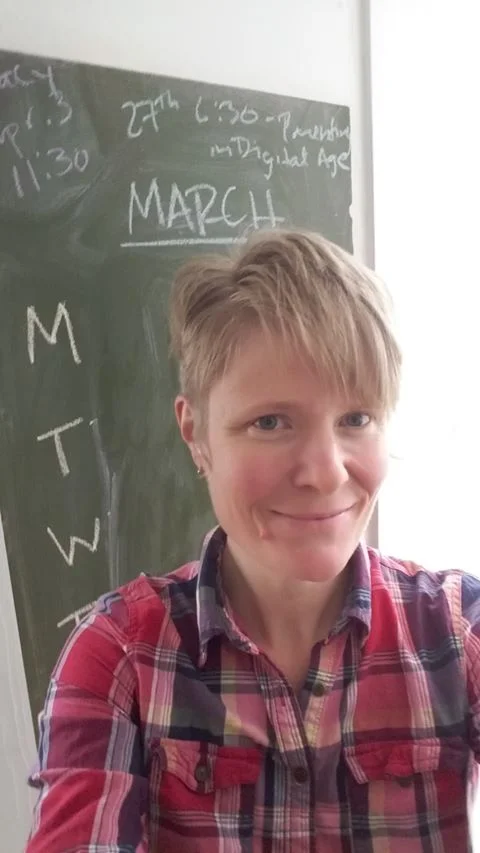
Elizabeth Peirce
“The curious paradox is that when I accept myself just as I am, then I can change.”
Carl R. Rogers, On Becoming a Person: A Therapist's View of Psychotherapy
Reality is often a hard thing to accept.
When we’ve been seriously injured or are facing an unexpected life change or major health diagnosis, we enter a strange new reality that often bears little to no resemblance to the life we led before. Shocked and disoriented, we struggle to find our bearings in this new place we didn’t ask to visit and wish we could leave—now!
It’s a feeling I know all too well.
In 2013, I fell headfirst onto the floor during a pole fitness class, and my entire life changed in an instant. It would take several months before I found a doctor who finally told me I had a concussion.
The symptoms were devastating.
I suffered from continuous vertigo that stopped me from driving, reading, and using a computer for months. I was plagued by noise and light sensitivity that kept me away from public places like grocery stores, restaurants and theatres.
Almost overnight, I changed from an active, engaged thirty-something university instructor and mother of a 2-year-old to exhausted recluse who couldn’t sleep more than two hours a night or leave the house for more than a few minutes, dogged by panic attacks, headaches and hallucinations, with almost daily medical appointments to try to sort out my messed-up brain.
Faced with the prospect of a long healing time—and not knowing for sure if I would ever heal—I spent many days in bed, thinking thoughts like “I hate this!” “My symptoms are intolerable and totally unfair!” “How long am I going to feel this way?” “My life is awful and it’s not going to get better!” “I want my old life back!”
I started to notice how this steady parade of thoughts always left me feeling—my stomach, jaw, and fists clenched: angry, anxious, and chronically tense. Added to the brain fog and fatigue I experienced daily, these thoughts took up energy that I simply did not have, but desperately needed to get better.
With the help of a wise therapist, I realized that I needed to change mental tactics. If I couldn’t change my bad situation, I could at least change my perspective.
I learned to do this by practicing acceptance.
While it’s natural to grieve for our lost abilities and be upset about our current limitations after a major injury like concussion, just as we might grieve for a lost loved one, we heal better and can get on with our lives faster when we accept our reality as it is.
Just to clarify: acceptance doesn’t mean we approve of a bad situation, nor does it turn us into a passive victim. Accepting our current condition doesn’t mean we don’t want things to change. Acceptance means we are simply choosing not to spend our energy resisting or fighting reality, even though it’s one we don’t like.
Here are some things I learned as I gave up the struggle to be exactly the person I was before my injury and learned to accept the person I was afterwards.
Take the long view: None of us gets through life without significant bumps in the road—a job loss, sick child, or major health diagnosis. To put my own “big bump” in perspective, I made a list of the ways my situation could be worse. My list reminded me of things like, “I still have a roof over my head, I’m not living in an earthquake zone, my injury is not the result of domestic violence,” and so on.
Accept anger and frustration as fuel for the search for health: Negative emotions like anger and frustration have a place in the healing process, showing us the things that aren’t working in our lives and pushing us to make necessary changes. They alert us to the need to move on when we become stuck. They are our built-in research team, catalysts for learning and growth as we discover and try new strategies on our healing journey. They are really our friends in heavy disguise!
Learn and practice self-care: It’s a truth recognized in the medical community that patients who take an active role in their own recovery make better progress than the “now fix me” folks. Accepting who and where we are right now and being willing to work toward our own healing improves our outlook and emotional health.
Six years post-concussion, I can say with certainty that acceptance was one of the keys to my return to full health. So were patience, humour, and trying to view my healing process as an opportunity to learn new things and share them with others. This learning journey was the beginning of the book I finally wrote about my experience healing from concussion, which I hope will help others facing a similar path.
None of it would have been possible without acceptance.